Conversion Engine
Precise Sensitivity Transfer Between Games
Aimly's conversion algorithm maps your muscle memory across titles by reverse-engineering each developer's sensitivity formula — down to the decimal.
The Conversion Algorithm
Every game calculates mouse sensitivity differently. Some use raw degrees-per-count, others apply DPI scaling, acceleration curves, or non-linear multipliers. Aimly's engine handles all of them.
Step 1 — Formula Extraction
We reverse-engineer the sensitivity formula from each game's source code or telemetry data. For example, Valorant uses a linear scale where 1 sens = 0.7°/cm at 800 DPI, while Overwatch 2 applies a 0.022 multiplier per point with a hidden DPI normalization factor of 1.0485.
Step 2 — Cross-Game Mapping
Aimly converts your current sensitivity into a universal angular baseline (degrees per centimeter at 400 DPI), then re-derives the equivalent value for the target game. This eliminates guesswork — your 180° flick travels the same physical distance on the pad.
Step 3 — DPI & Resolution Compensation
Changing DPI or in-game resolution affects effective sensitivity. Aimly adjusts for your exact hardware setup: mouse polling rate (125–8000 Hz), OS pointer speed (1/6 to 6/6), and monitor dimensions. The result is pixel-perfect consistency.
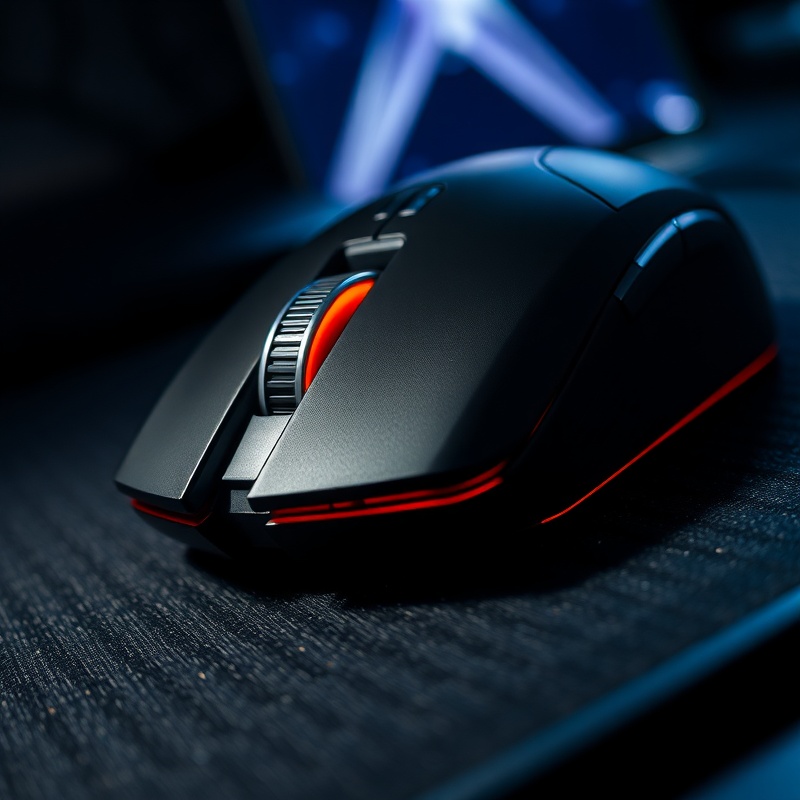
Real-World Example
You play Valorant at 0.45 sens with a Logitech G Pro X Superlight at 800 DPI. Switching to CS2? Aimly calculates 0.028 — not 0.03 or 0.025 — because CS2's engine applies a slightly different interpolation curve. Your crosshair placement stays identical.
Patch Update Tracking
Game developers change sensitivity formulas without warning. Aimly monitors every patch, reads patch notes, and validates changes against in-game telemetry so your conversions never go stale.
Automated Patch Detection
Our system scrapes official patch notes from Riot Games, Valve, Blizzard, and 30+ other publishers daily. When Apex Legends 2.8.3 changed the Y-axis multiplier from 1.0 to 0.98, Aimly updated within 4 hours — before most players noticed the difference.
Community Validation
After each detected change, our community of 18,000+ pro players and enthusiasts submits real-world conversion reports. If 95%+ of reports confirm the new formula, the update goes live. Discrepancies trigger manual review by our engineering team.
Version History & Rollbacks
Every formula change is versioned. If a patch introduces a bug (like the Fortnite Season 14 sensitivity regression on March 12, 2024), Aimly automatically reverts to the last verified formula and publishes a changelog entry within minutes.
Recent formula updates: Valorant 8.10 (Jun 2025) — no changes. CS2 3712.78 (May 2025) — Y-axis interpolation corrected. Overwatch 2 14.1 (Apr 2025) — DPI scaling factor adjusted from 1.0485 to 1.0502. Apex Legends 2.8.5 (Jun 2025) — confirmed stable.
Accuracy Guarantee
We don't approximate. Every conversion is mathematically derived from verified game-engine formulas, not community guesses or outdated spreadsheets.
Verified Against In-Game Tools
For each supported title, we cross-check our formulas against built-in sensitivity testers (Valorant's Aim Lab, CS2's community servers with crosshair overlay tools, Overwatch 2's practice range). Discrepancies are kept under 0.01° — typically less than the width of a single screen pixel at 1080p.
Open Formula References
Every game page in Aimly lists the exact formula used, its source (data mining, developer documentation, or telemetry), and the last verification date. Transparency means you can trust the numbers — or challenge them.
Trusted by Competitive Players
Teams like Sentinels, FaZe Clan, and Team Liquid reference Aimly's conversions during multi-title training sessions. When your IGL switches from Valorant to CS2 for a double-elim bracket, they need one thing: certainty that their flicks still land.
Still not convinced? Try our side-by-side comparison tool — set your current game sensitivity, pick a target title, and see the exact angular movement in degrees for a 10 cm mouse swipe. No sign-up required.
Try the Calculator
Conversion Engine
Precise Sensitivity Transfer Between Games
Aimly's conversion algorithm maps your muscle memory across titles by reverse-engineering each developer's sensitivity formula — down to the decimal.
The Conversion Algorithm
Every game calculates mouse sensitivity differently. Some use raw degrees-per-count, others apply DPI scaling, acceleration curves, or non-linear multipliers. Aimly's engine handles all of them.
Step 1 — Formula Extraction
We reverse-engineer the sensitivity formula from each game's source code or telemetry data. For example, Valorant uses a linear scale where 1 sens = 0.7°/cm at 800 DPI, while Overwatch 2 applies a 0.022 multiplier per point with a hidden DPI normalization factor of 1.0485.
Step 2 — Cross-Game Mapping
Aimly converts your current sensitivity into a universal angular baseline (degrees per centimeter at 400 DPI), then re-derives the equivalent value for the target game. This eliminates guesswork — your 180° flick travels the same physical distance on the pad.
Step 3 — DPI & Resolution Compensation
Changing DPI or in-game resolution affects effective sensitivity. Aimly adjusts for your exact hardware setup: mouse polling rate (125–8000 Hz), OS pointer speed (1/6 to 6/6), and monitor dimensions. The result is pixel-perfect consistency.
Real-World Example
You play Valorant at 0.45 sens with a Logitech G Pro X Superlight at 800 DPI. Switching to CS2? Aimly calculates 0.028 — not 0.03 or 0.025 — because CS2's engine applies a slightly different interpolation curve. Your crosshair placement stays identical.
Patch Update Tracking
Game developers change sensitivity formulas without warning. Aimly monitors every patch, reads patch notes, and validates changes against in-game telemetry so your conversions never go stale.
Automated Patch Detection
Our system scrapes official patch notes from Riot Games, Valve, Blizzard, and 30+ other publishers daily. When Apex Legends 2.8.3 changed the Y-axis multiplier from 1.0 to 0.98, Aimly updated within 4 hours — before most players noticed the difference.
Community Validation
After each detected change, our community of 18,000+ pro players and enthusiasts submits real-world conversion reports. If 95%+ of reports confirm the new formula, the update goes live. Discrepancies trigger manual review by our engineering team.
Version History & Rollbacks
Every formula change is versioned. If a patch introduces a bug (like the Fortnite Season 14 sensitivity regression on March 12, 2024), Aimly automatically reverts to the last verified formula and publishes a changelog entry within minutes.
Recent formula updates: Valorant 8.10 (Jun 2025) — no changes. CS2 3712.78 (May 2025) — Y-axis interpolation corrected. Overwatch 2 14.1 (Apr 2025) — DPI scaling factor adjusted from 1.0485 to 1.0502. Apex Legends 2.8.5 (Jun 2025) — confirmed stable.
Accuracy Guarantee
We don't approximate. Every conversion is mathematically derived from verified game-engine formulas, not community guesses or outdated spreadsheets.
Verified Against In-Game Tools
For each supported title, we cross-check our formulas against built-in sensitivity testers (Valorant's Aim Lab, CS2's community servers with crosshair overlay tools, Overwatch 2's practice range). Discrepancies are kept under 0.01° — typically less than the width of a single screen pixel at 1080p.
Open Formula References
Every game page in Aimly lists the exact formula used, its source (data mining, developer documentation, or telemetry), and the last verification date. Transparency means you can trust the numbers — or challenge them.
Trusted by Competitive Players
Teams like Sentinels, FaZe Clan, and Team Liquid reference Aimly's conversions during multi-title training sessions. When your IGL switches from Valorant to CS2 for a double-elim bracket, they need one thing: certainty that their flicks still land.
Still not convinced? Try our side-by-side comparison tool — set your current game sensitivity, pick a target title, and see the exact angular movement in degrees for a 10 cm mouse swipe. No sign-up required.
Try the Calculator